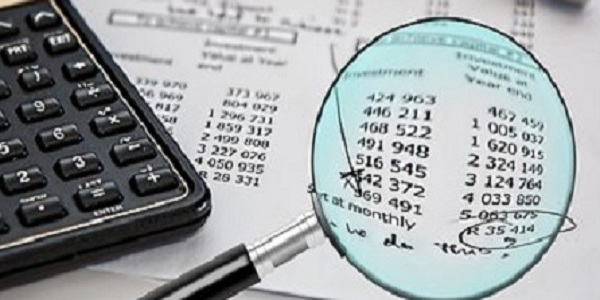
Accounts payable is the organization's checkbook, and without strong controls it can be ripe for fraud. The purchasing and AP cycles produce large volumes of data that internal audit can analyze to confirm controls are working, or to reveal that fraud may be taking place.
This 60-minute anti-fraud audit webinar covers the fraud triangle, the main types of fraud, and the data that AP or IT can provide. Understanding that data is the first step to knowing what to look for.
You'll see simple ways to analyze large volumes of invoice payment data, examples of proactive AP anti-fraud reviews, and data analysis tests for both AP and purchasing. The session also discusses ACL, IDEA and Excel as analysis tools.
WHY SHOULD YOU ATTEND?
Fraud carries an ongoing cost, and a proactive approach to purchasing and AP audits is now a priority for most organizations. The ACFE's 2012 Report to the Nations on Occupational Fraud and Abuse estimated that organizations lose 5% of revenue to fraud.
This session suits internal auditors and audit managers, fraud professionals and risk and compliance officers. Some knowledge of ACL or IDEA helps but is not required.
AREA COVERED
- The fraud triangle and ACFE statistics
- Fraud basics and the types of fraud that can occur
- Understanding the data A/P or IT can provide for analysis
- Data analysis tools: ACL vs. IDEA or just Excel
- Examples of proactive accounts payable anti-fraud reviews
- Data analysis tests for accounts payable data
- Data analysis tests for purchasing data
LEARNING OBJECTIVES
- Explain the fraud triangle and the main types of fraud
- Identify the AP and IT data available for fraud analysis
- Choose between ACL, IDEA and Excel for data analysis
- Plan proactive accounts payable anti-fraud reviews
- Run data analysis tests on accounts payable and purchasing data
WHO WILL BENEFIT?
- Internal Audit personnel involved in Fraud related activities
- Internal Audit Management is interested in performing anti-fraud audits of Accounts Payable and Purchasing Cycles
- Professionals responsible for or interested in performing anti-fraud audits
- Risk/Compliance Officer in any industry
Fraud carries an ongoing cost, and a proactive approach to purchasing and AP audits is now a priority for most organizations. The ACFE's 2012 Report to the Nations on Occupational Fraud and Abuse estimated that organizations lose 5% of revenue to fraud.
This session suits internal auditors and audit managers, fraud professionals and risk and compliance officers. Some knowledge of ACL or IDEA helps but is not required.
- The fraud triangle and ACFE statistics
- Fraud basics and the types of fraud that can occur
- Understanding the data A/P or IT can provide for analysis
- Data analysis tools: ACL vs. IDEA or just Excel
- Examples of proactive accounts payable anti-fraud reviews
- Data analysis tests for accounts payable data
- Data analysis tests for purchasing data
- Explain the fraud triangle and the main types of fraud
- Identify the AP and IT data available for fraud analysis
- Choose between ACL, IDEA and Excel for data analysis
- Plan proactive accounts payable anti-fraud reviews
- Run data analysis tests on accounts payable and purchasing data
- Internal Audit personnel involved in Fraud related activities
- Internal Audit Management is interested in performing anti-fraud audits of Accounts Payable and Purchasing Cycles
- Professionals responsible for or interested in performing anti-fraud audits
- Risk/Compliance Officer in any industry