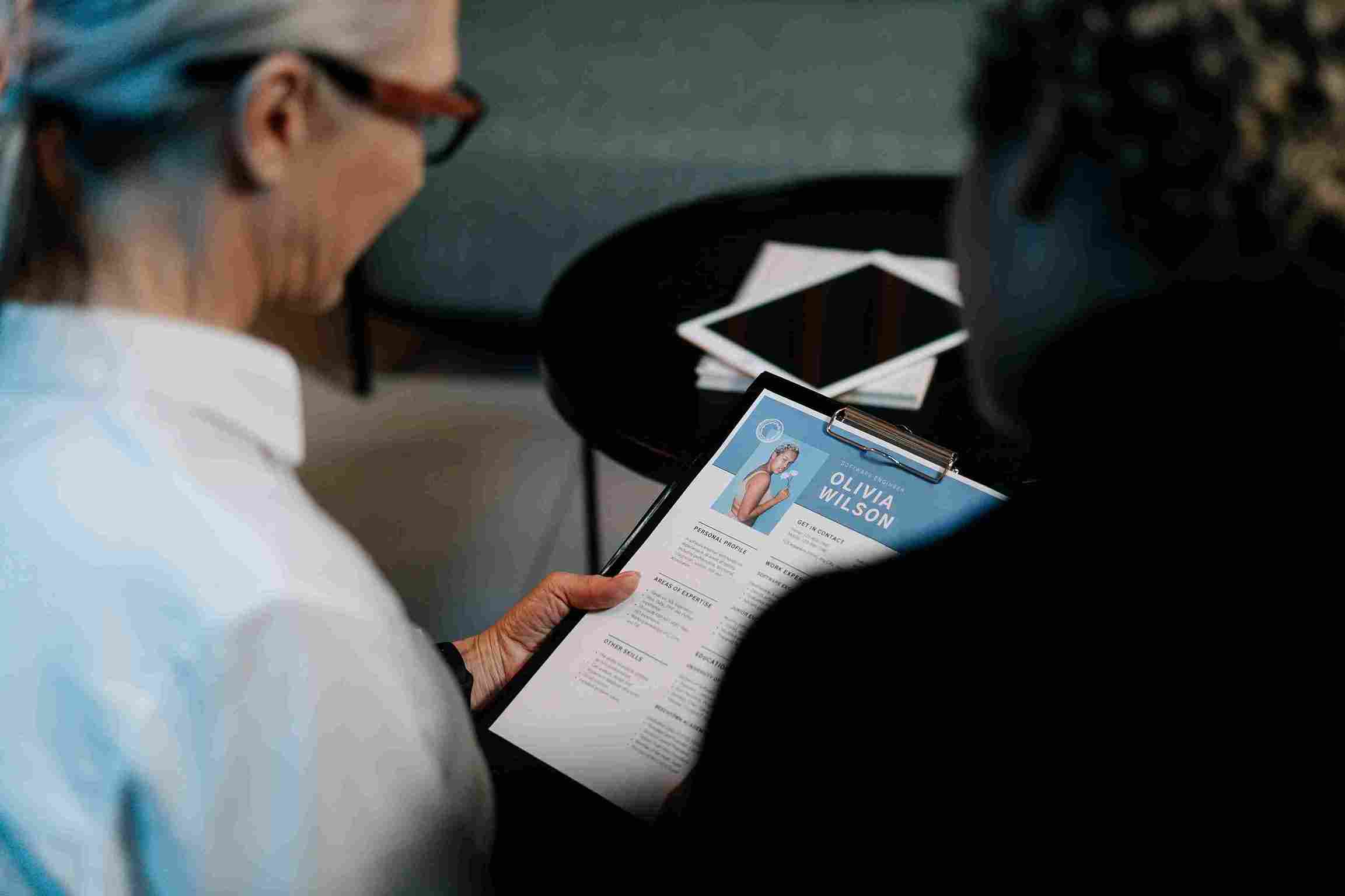
Job descriptions have become extremely important for employers. Courts are required to give deference to an employer’s description of essential functions of the job as long as they are listed in a job description that was in place before the employer sought applicants. Yet, some employers have discovered that job descriptions have hurt them in court – in large part because the employer failed to consider the job description as a constant work in progress and failed to keep them up to date.
WHY SHOULD YOU ATTEND?
Job descriptions have so many purposes for an employer – they help in the recruitment and interviewing process so that you can get that ideal candidate to come to work for your company. It helps the employee know exactly what are your expectations. And, finally, it helps the employer defend itself in court – as long as they are written correctly. In this webinar, we will discuss how to write an effective job description how to use them to attract and retain quality employees, and how to use them if you find yourself in the unfortunate situation of being sued.
AREA COVERED
- Writing effective job descriptions – words to use and words to avoid
- Bonus tips for writing job descriptions
- Best practices for writing job descriptions
- Most common mistakes in writing job descriptions
- New approaches to writing job descriptions
- Using AI in writing job descriptions
- How to improve your chances that your job descriptions will help you win in court
LEARNING OBJECTIVES
- Learn how to write an effective job description
- Learn best practices for writing job descriptions
- Learn how to be flexible in your approach to writing job descriptions
- Learn how to use job descriptions in the interview process
- Learn from the mistakes of others when job descriptions hurt them in court
WHO WILL BENEFIT?
- Human resource professionals.
- hiring managers.
- recruitment managers.
Job descriptions have so many purposes for an employer – they help in the recruitment and interviewing process so that you can get that ideal candidate to come to work for your company. It helps the employee know exactly what are your expectations. And, finally, it helps the employer defend itself in court – as long as they are written correctly. In this webinar, we will discuss how to write an effective job description how to use them to attract and retain quality employees, and how to use them if you find yourself in the unfortunate situation of being sued.
- Writing effective job descriptions – words to use and words to avoid
- Bonus tips for writing job descriptions
- Best practices for writing job descriptions
- Most common mistakes in writing job descriptions
- New approaches to writing job descriptions
- Using AI in writing job descriptions
- How to improve your chances that your job descriptions will help you win in court
- Learn how to write an effective job description
- Learn best practices for writing job descriptions
- Learn how to be flexible in your approach to writing job descriptions
- Learn how to use job descriptions in the interview process
- Learn from the mistakes of others when job descriptions hurt them in court
- Human resource professionals.
- hiring managers.
- recruitment managers.