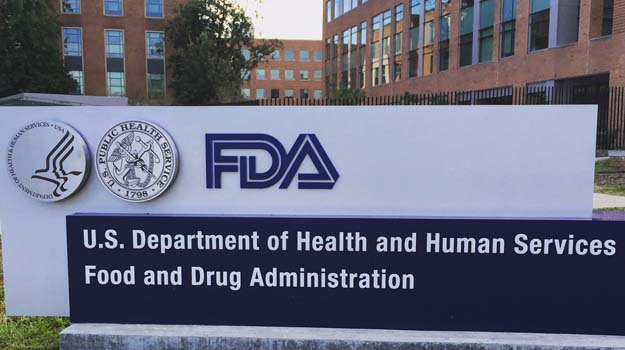
The outcome of regulatory inspections is critical to an organization’s success. The FDA performs inspections to check that companies are maintaining compliance with applicable regulations and quality standards. Though you do your best to avoid it, receiving a 483 or Warning Letter is inevitable. It’s important to take the observations very seriously because you only have 15 days to submit the subsequent responses.
But ensuring that you are aware and understand what the regulatory agency is expecting in the response can be a challenge. What should you include? What are the risks of not submitting an appropriate response?
This 90-minute course will discuss the importance of developing and submitting a robust, timely response to FDA 483 observations or warning letters; as well as, educate the audience on the essential elements of a thorough response. Additionally, this course will review the proper structure of the response to ensure the regulatory agency’s expectations are met and the submission process.
LEARNING OBJECTIVES
At the completion of this session, you will be able to:
- Identify timelines and potential regulatory outcomes of not submitting an appropriate response
- Review the components necessary to develop a thorough response
- Utilize a response checklist
- Evaluate recent Regulatory observations and review associated responses
- Recognize the process for submitting the response to the regulatory agency
- Discuss when and how to provide follow-up updates to the regulatory agency post the initial response
- Develop post-response outcomes
WHO WILL BENEFIT?
This course will be valuable to anyone engaged in the development, manufacturing, sale, or distribution of FDA-regulated healthcare products. Additionally, this course will provide a good primer for those involved in writing observation responses. This includes personnel in:
- Quality
- Manufacturing
- Engineering
At the completion of this session, you will be able to:
- Identify timelines and potential regulatory outcomes of not submitting an appropriate response
- Review the components necessary to develop a thorough response
- Utilize a response checklist
- Evaluate recent Regulatory observations and review associated responses
- Recognize the process for submitting the response to the regulatory agency
- Discuss when and how to provide follow-up updates to the regulatory agency post the initial response
- Develop post-response outcomes
This course will be valuable to anyone engaged in the development, manufacturing, sale, or distribution of FDA-regulated healthcare products. Additionally, this course will provide a good primer for those involved in writing observation responses. This includes personnel in:
- Quality
- Manufacturing
- Engineering
Speaker Profile
Kelly Thomas
Ms. Thomas has over two decades of cGMP hands-on industry experience in both pharmaceutical and medical device manufacturing operations. Her experience covers all Quality Systems; as well as, all areas of validation; including, process/product validation, facilities validation, CSV and 21 CFR Part 11, test method validation, equipment/automated processes and cleaning validation.Utilizing strategic thinking, risk based approaches, and Lean principles, she has demonstrated success in steering and managing complex projects within the pharmaceutical and medical device industries.
Upcoming Webinars
AI for Excel Professionals: Enhancing Productivity with Cha…
Leadership: Strategic Planning and Decision Making
2026 Form I-9 Changes & New ICE Penalties: What Every Emplo…
Human Factors Usability Studies Following ISO 62366 and FDA…
2-Hour Virtual Seminar on How to Conduct an Internal Harass…
Fostering a Culture of Respect: Eliminating Gossip, Rumour…
Bootcamp for New Managers and Supervisors: Develop These Es…
FDA Compliance for Regulated Systems using COTS, Cloud, and…
Implementing an Effective Succession Plan to Identify, Deve…
Boost Financial Analysis with Claude in Excel
ChatGPT for HR - Build HR Policy Framework and Strategy
I-9 Enforcement & Compliance: A 5-Step Plan for Employers t…
The Anti-Kickback Statute: Enforcement and Recent Updates
Wage & Hour Laws: Ensuring Compliance with the Fair Labor S…
Emotional Intelligence: Mastering the Emotions of Great Lea…
Expense Reimbursements 2026 - Proper Recordkeeping and Acco…
Unlock Employee Loyalty: Stay Interviews Will Keep Them Eng…
Construction Lending And Real Credit Administration: Evalua…
Dealing With Difficult People: At Work & In Life
Claude AI For CPAs & Finance Professionals: Best Practices …
Secrets Of The Staffing Fix - Solving The Employee Training…
Mastering the Prompt: How Every Professional Can Use AI to …
Eliminate Harmful And Unproductive Drama In The Workplace
Using Copilot to Format Legal Documents in Microsoft Word
Setting SMART Goals & Leveraging Storytelling for Reporting
Excel + AI: The Smart User's Guide to Faster, Easier Work w…
Discover how Emotional Intelligence turns AI from a technic…
Introduction to Microsoft Power BI Dashboards
Excel Spreadsheets; Develop and Validate for 21 CFR Part 11…
Major cGMP Issues: FDA Concerns in 2026
Elevate Your Workplace Wellness: 10 Critical Wellness Facto…
Maximizing Productivity with ChatGPT: AI Solutions for HR, …
Excel - Pivot Tables - The Key To Modern Data Analysis and …
Managers/Supervisors: New Role, Same Team - How to Lead Wit…
HR Auditing - New Update on Important Issues for 2026
2-Hour Virtual Seminar on In-Person Onboarding Your New Hir…
6-Hour Virtual Boot Camp on Microsoft Power BI
Outlook - Master your Mailbox - Inbox Hero Inbox Zero
Managing Toxic Employees: Strategies For Leaders To Effecti…
California Meal and Rest Breaks: What You Don't Know Can Co…